
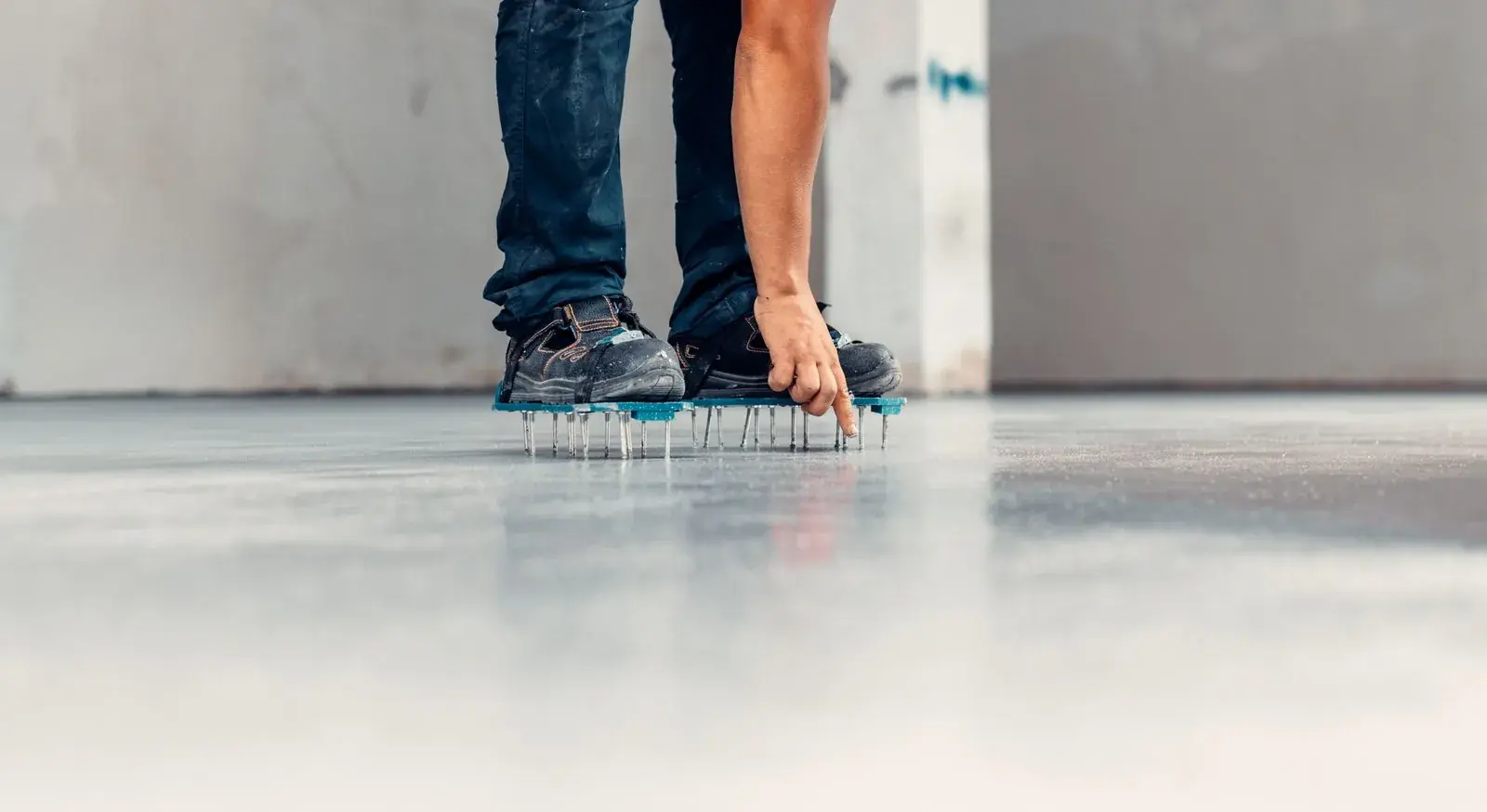
Preparation is specified, not assumed
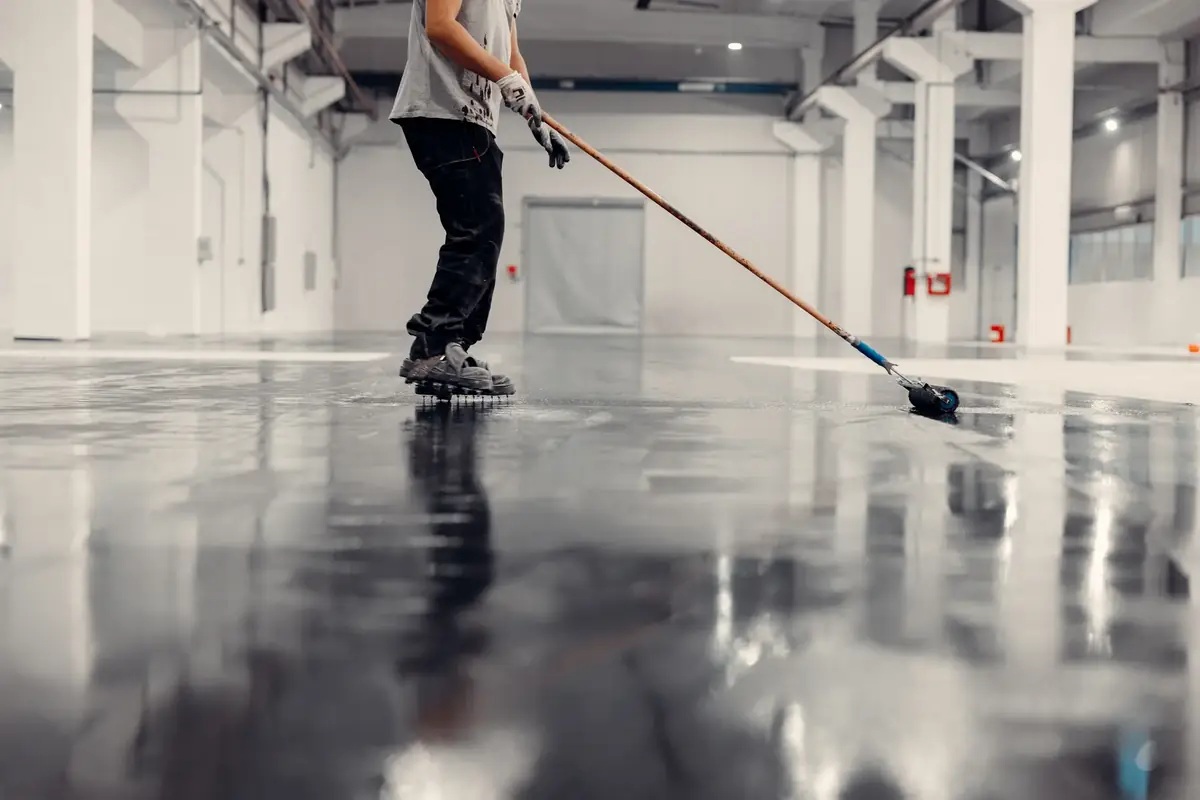
Ask how the slab will be prepared and why. Grinding or blasting to a suitable profile is the foundation of a durable bond.
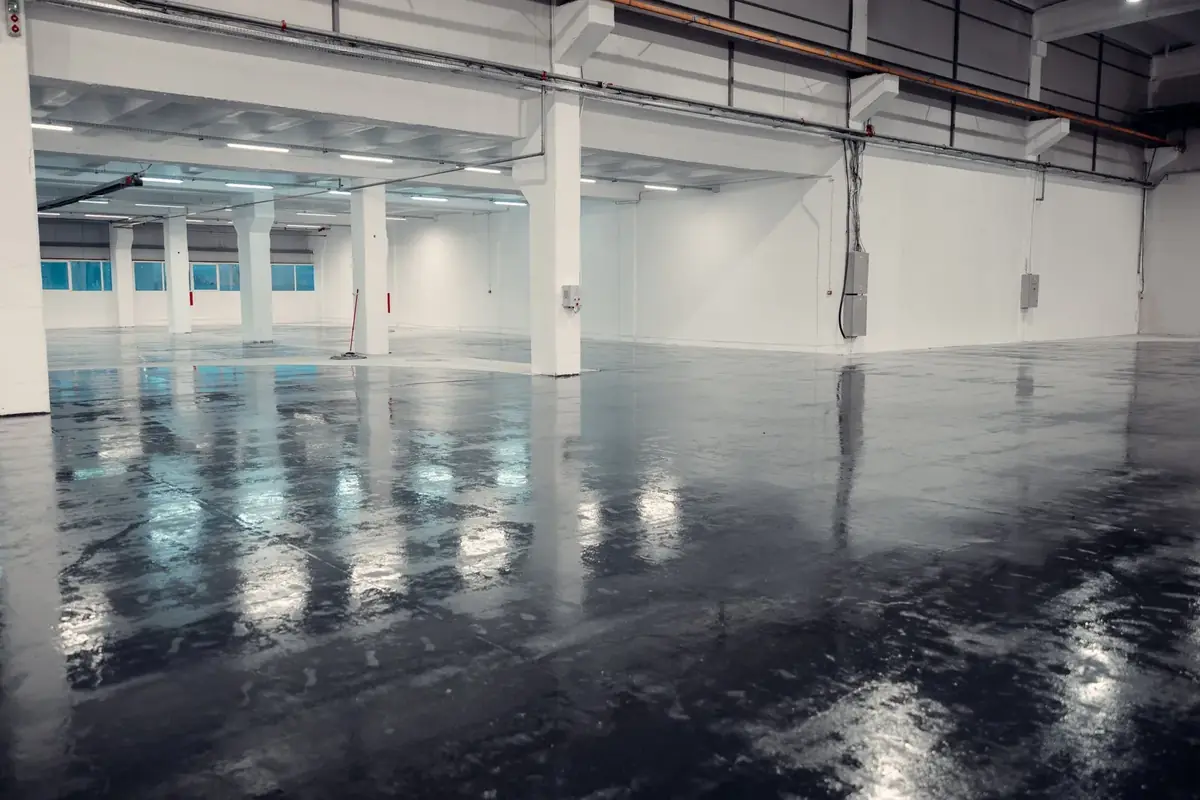
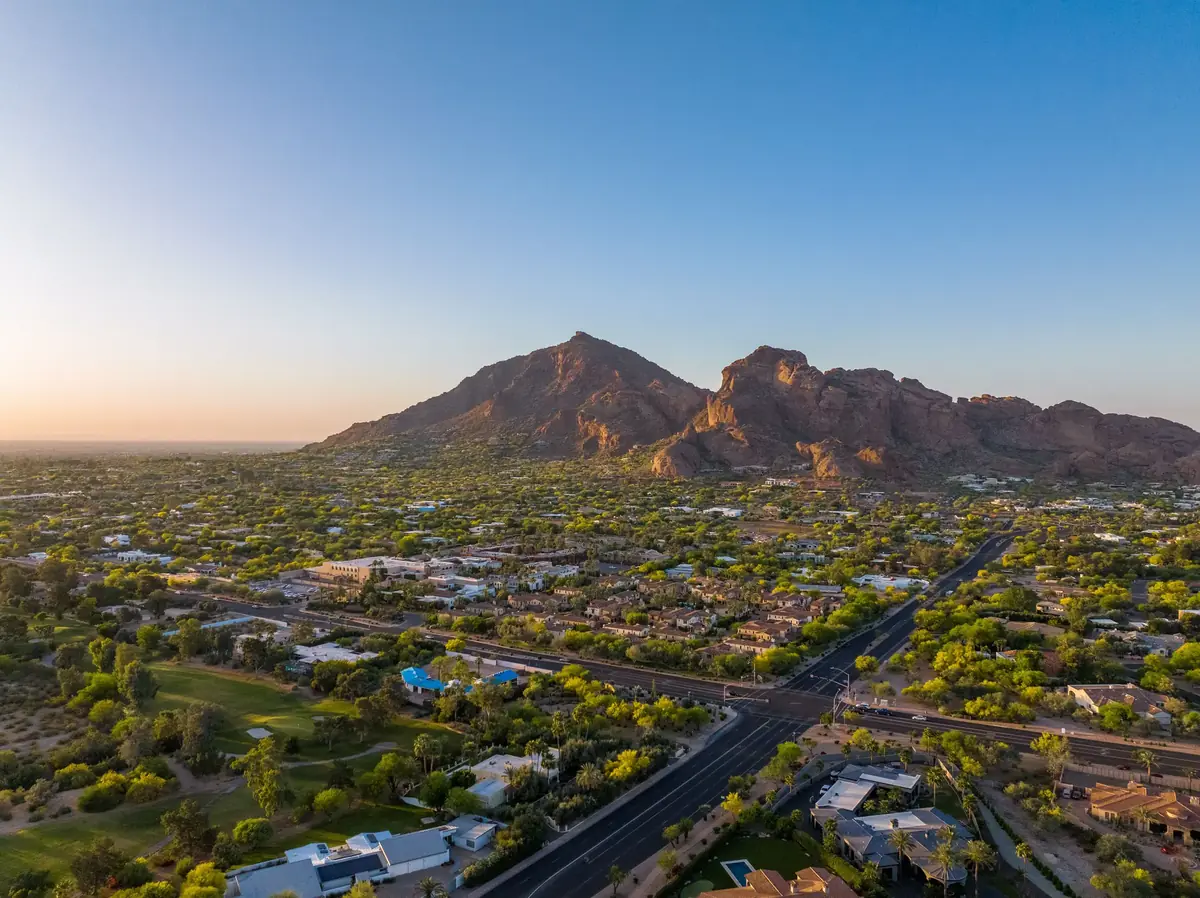
Commercial epoxy flooring · Phoenix, Arizona
Seamless floor systems for warehouses, plants, retail, kitchens and showrooms across Phoenix, selected for your traffic, exposures and schedule and installed on properly prepared concrete.
About the work
Commercial Epoxy Phoenix AZ focuses on commercial and industrial floors: spaces where a coating has to stand up to forklifts, carts, cleaning crews, customers and the Phoenix climate while the business keeps running.
Every project starts with the concrete. We look at the slab’s condition, existing coatings, contamination and moisture considerations before recommending anything, then specify a system by area, not by habit. The result is a floor matched to how your facility actually works, with a schedule that respects your operations.
How we approach commercial floors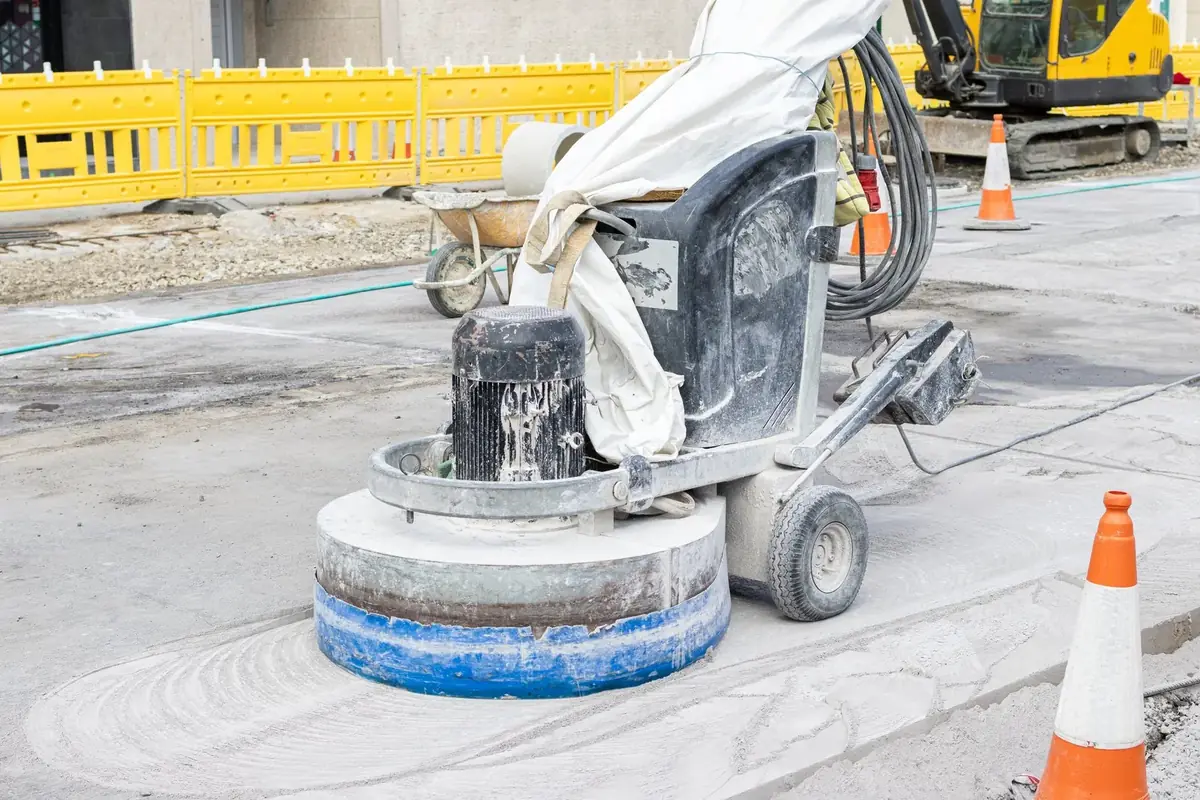
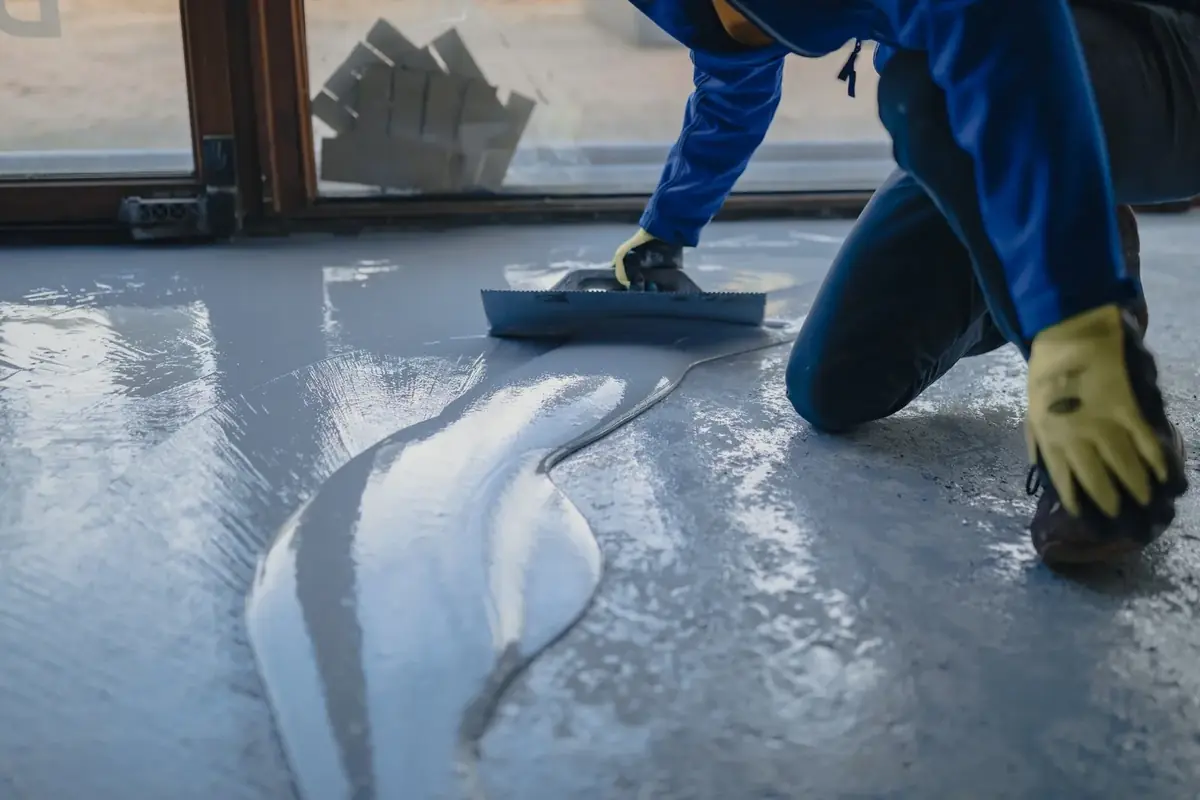
Spec notePreparation determines bond. Bond determines lifespan.
Commercial flooring solutions
From full warehouse coatings to kitchen floors and showroom finishes, each service page explains where a system fits, how it’s installed and what to expect.
Industries served
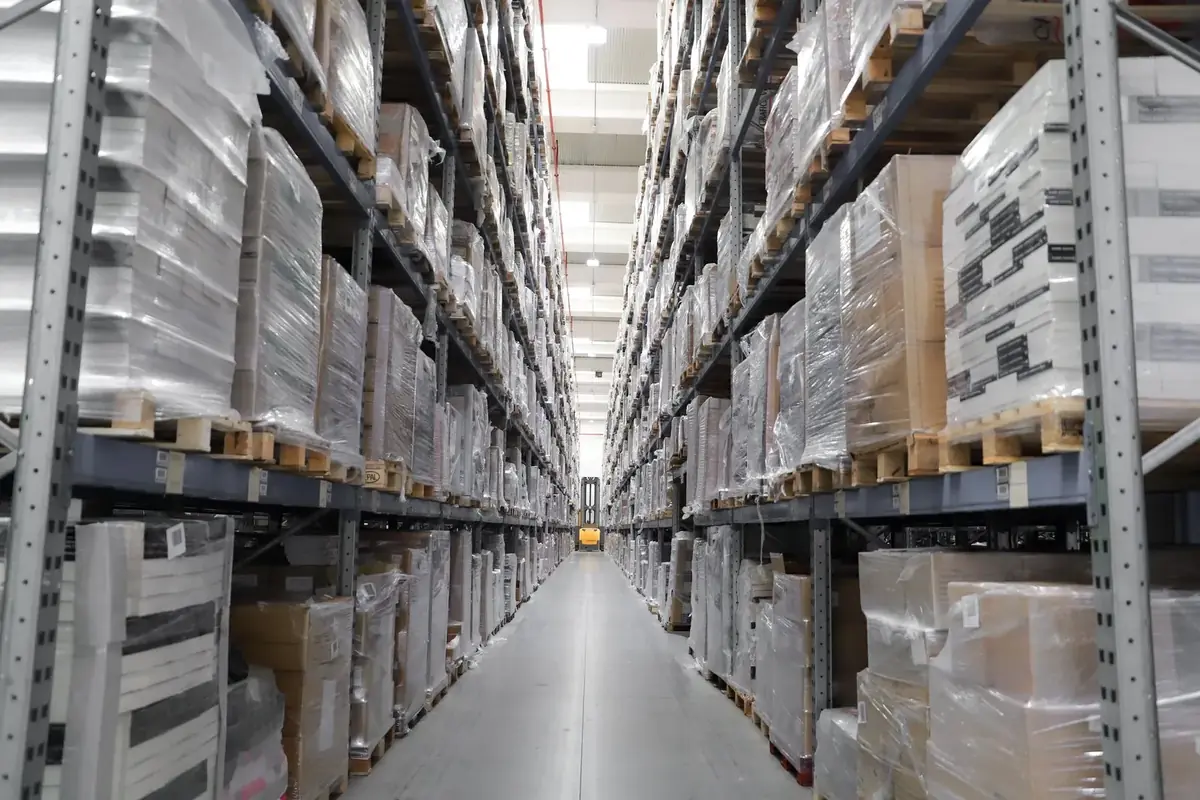
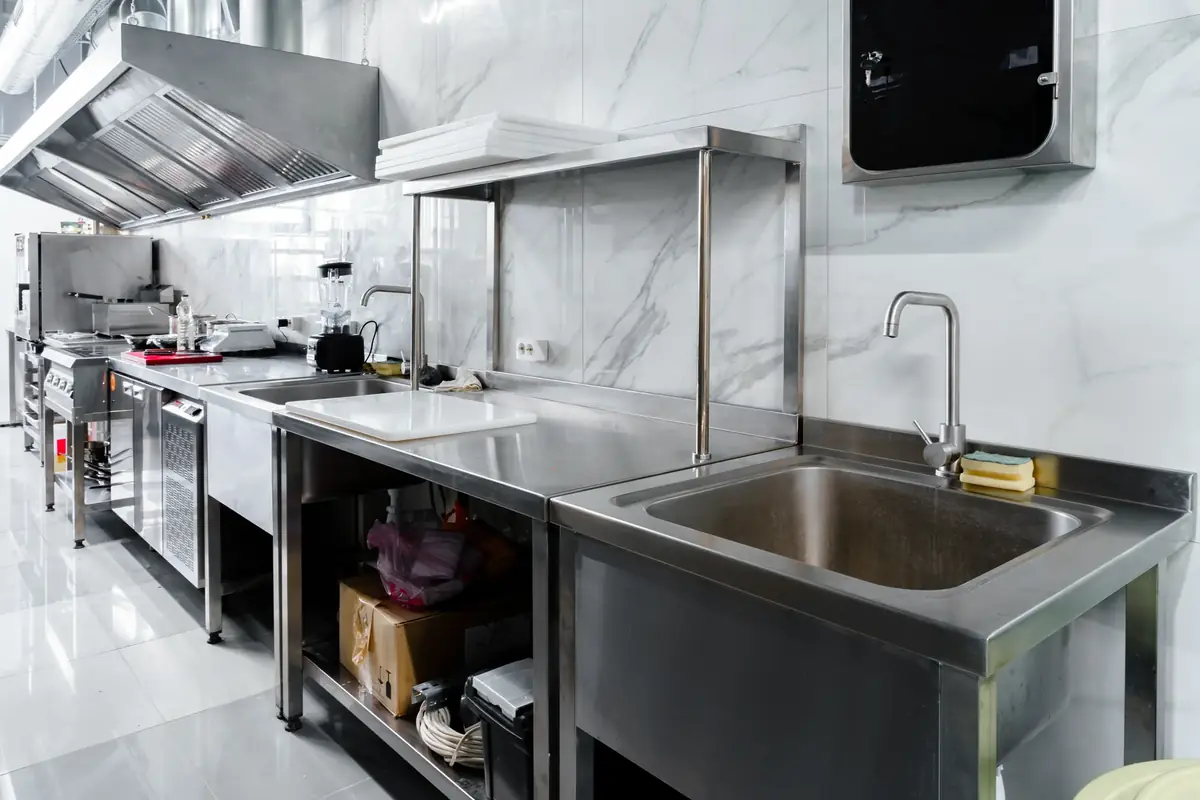
A distribution center, a restaurant kitchen and a showroom need very different floors. Systems are specified around each environment’s traffic, cleaning and exposure.
Flooring systems & finishes
The right system depends on the facility, the condition of the substrate, traffic, exposure and intended use. These are common starting points.
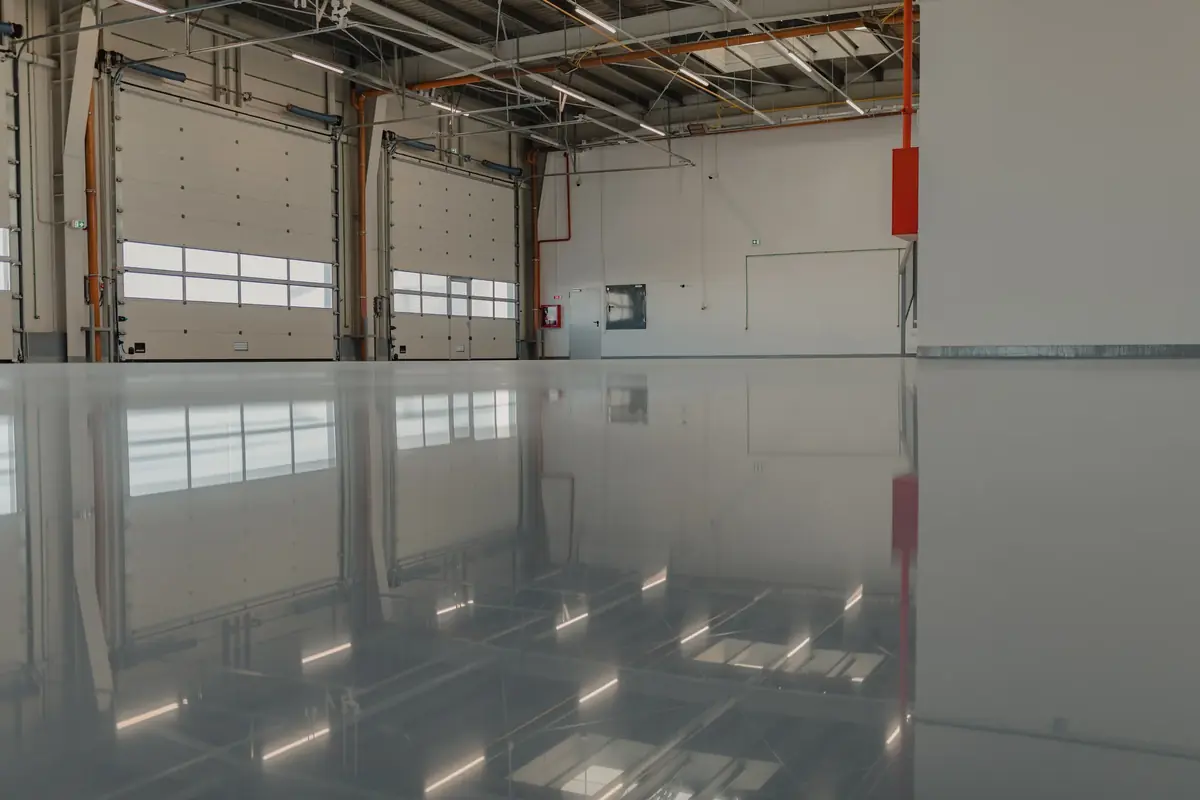
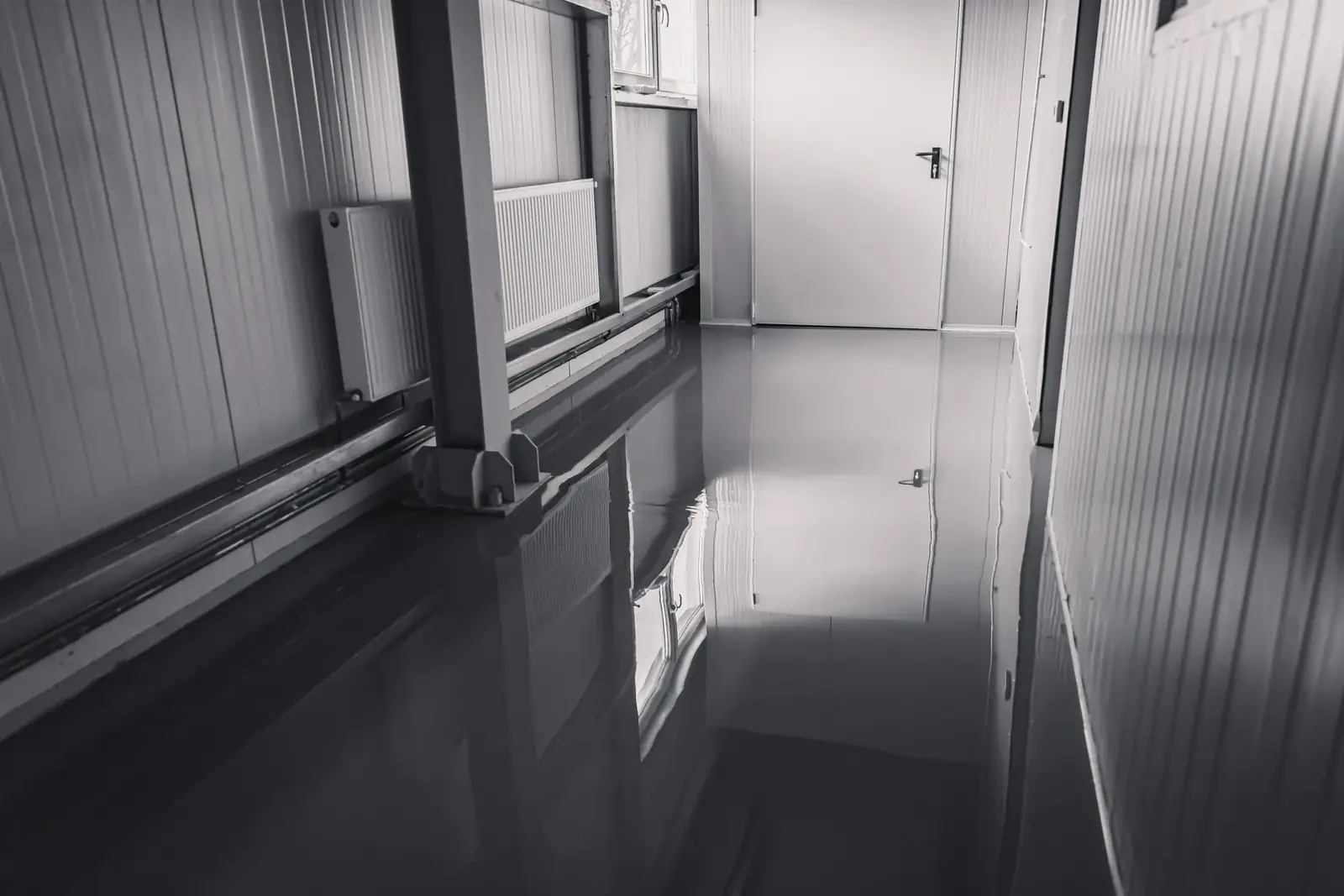
A clean, uniform finish for working floors. Light grays and neutrals brighten aisles and make debris and leaks easier to spot.
Common applications
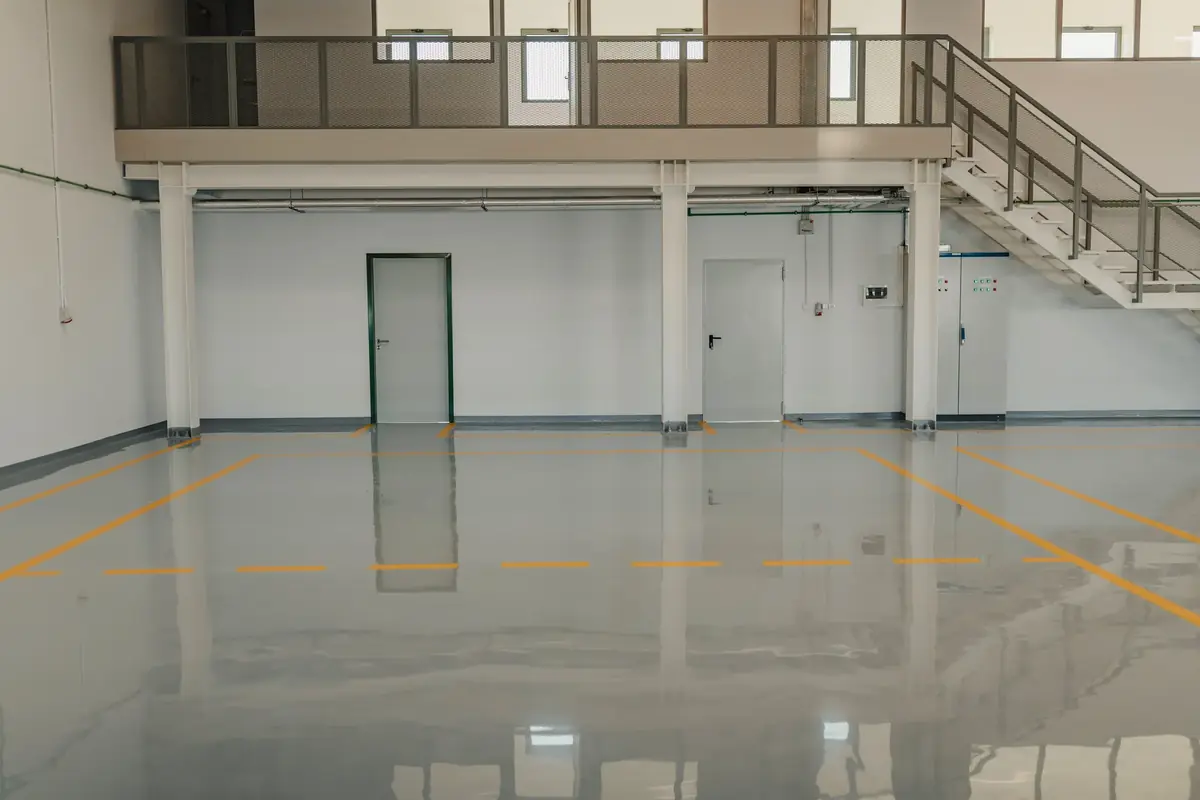
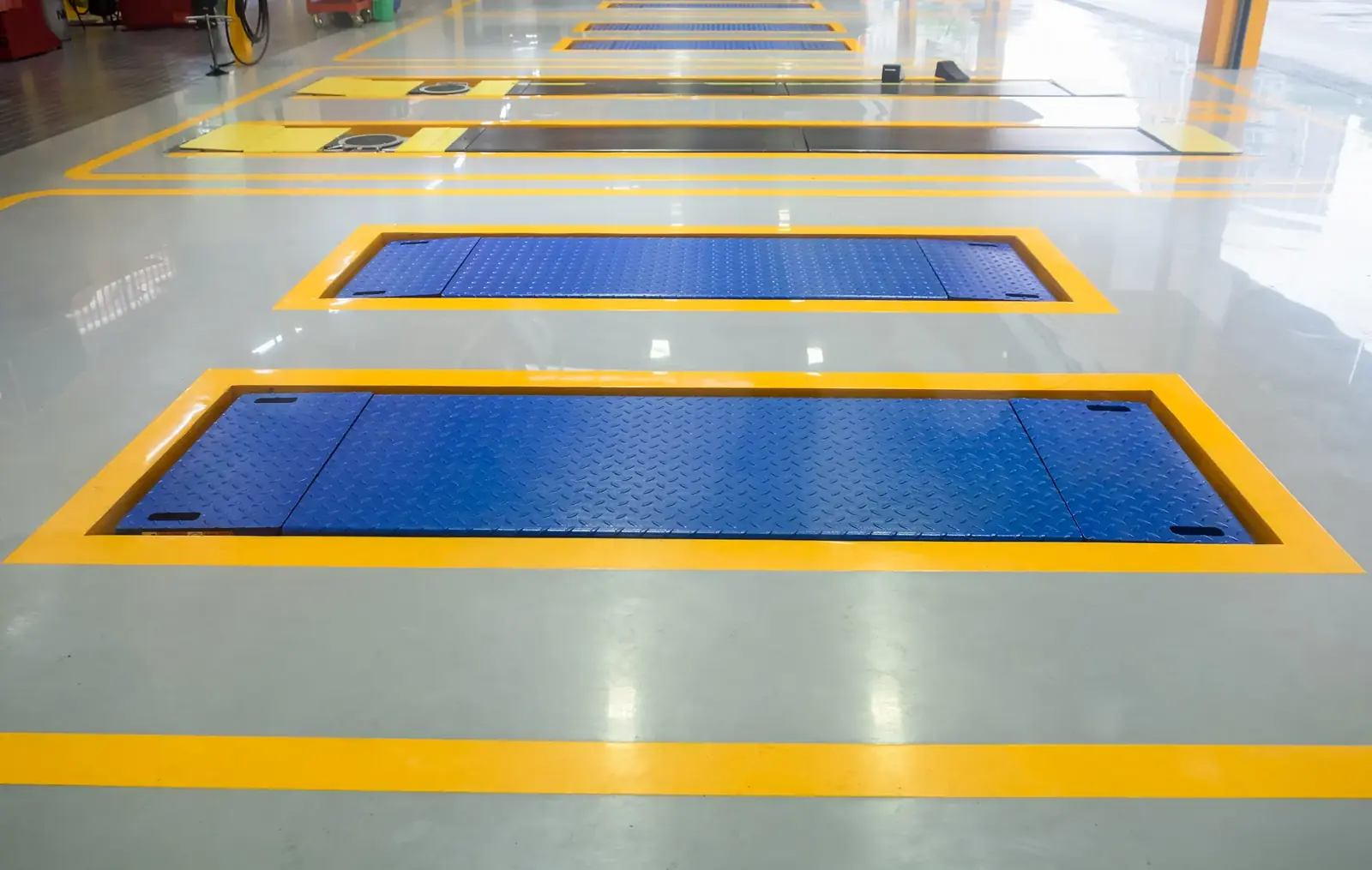
Thicker multi-coat systems that add film build where traffic, abrasion and impact are heavier, often with coated-in safety markings.
Common applications
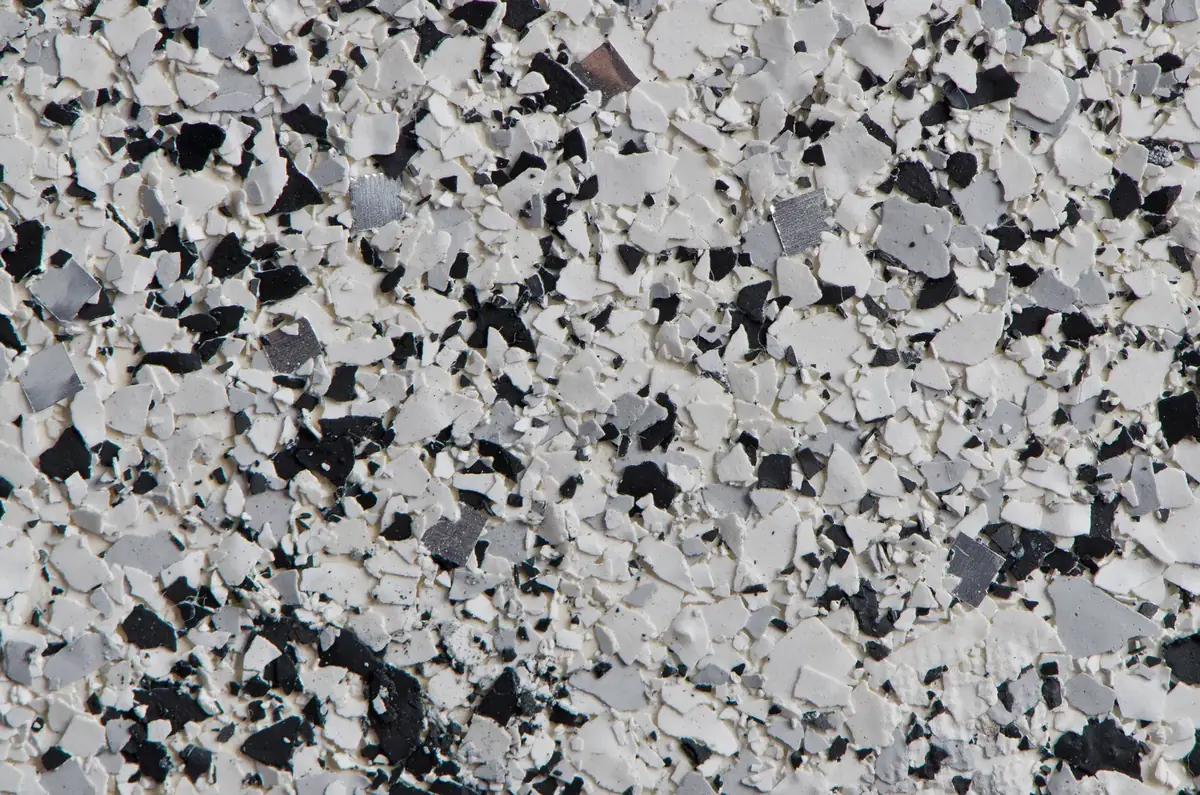
Broadcast flake blends sealed under a clear topcoat. Subtle texture and multicolor blends help disguise everyday dirt between cleanings.
Common applications
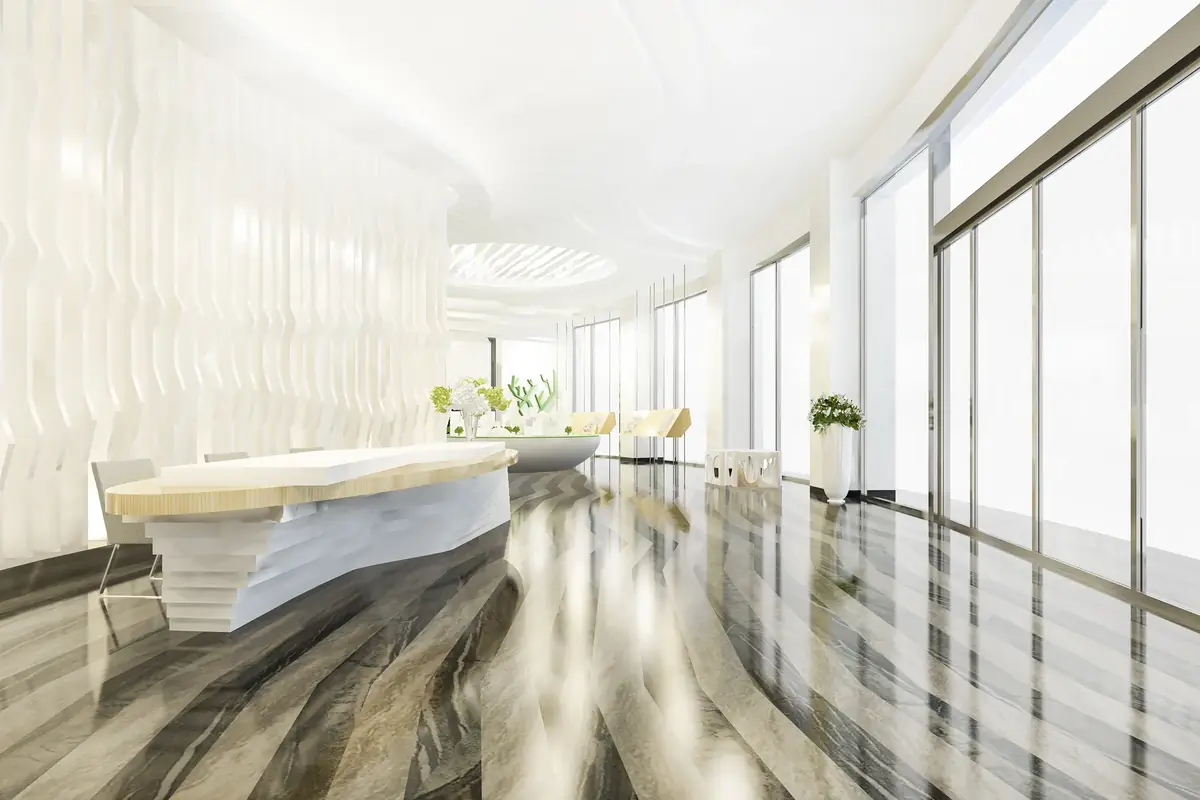
Hand-manipulated metallic pigments create depth and movement. A decorative finish for selected interiors, not heavy industrial areas.
Common applications
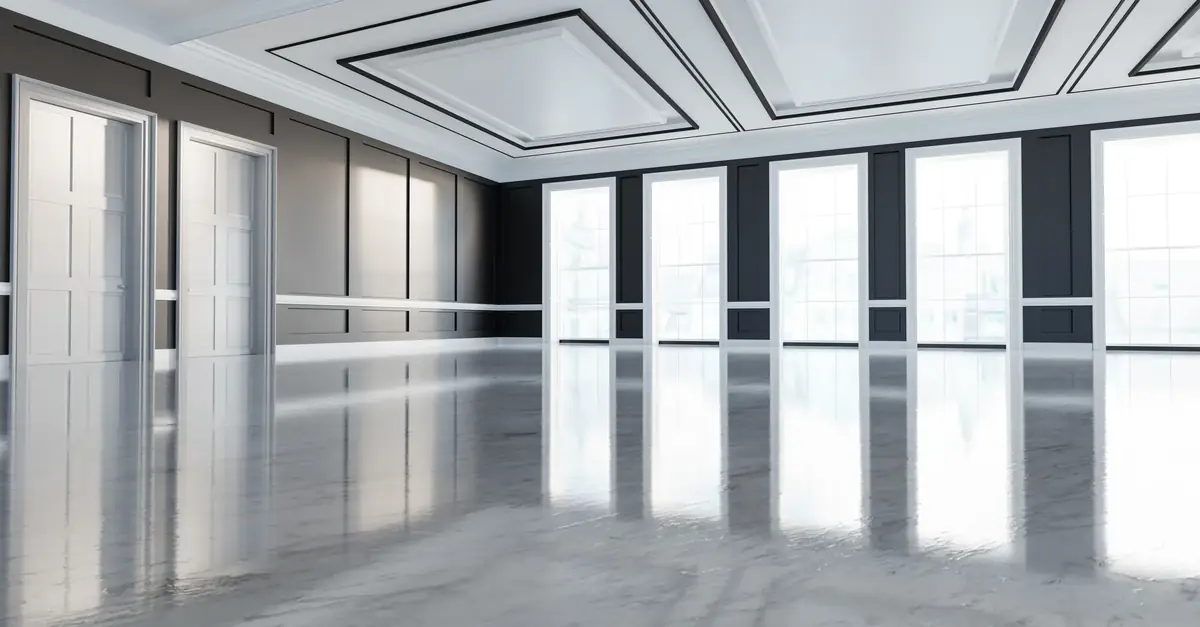
Polyurethane and polyaspartic topcoats add wear resistance and help reduce yellowing where floors see sunlight through glass or open doors.
Common applications
Installation process
Actual steps and timelines vary with the existing floor and the coating system selected. This is the typical sequence for a commercial project.
You share the facility type, approximate square footage, current floor condition and timing.
The slab is evaluated: existing coatings, contamination, cracks, joints and moisture considerations.
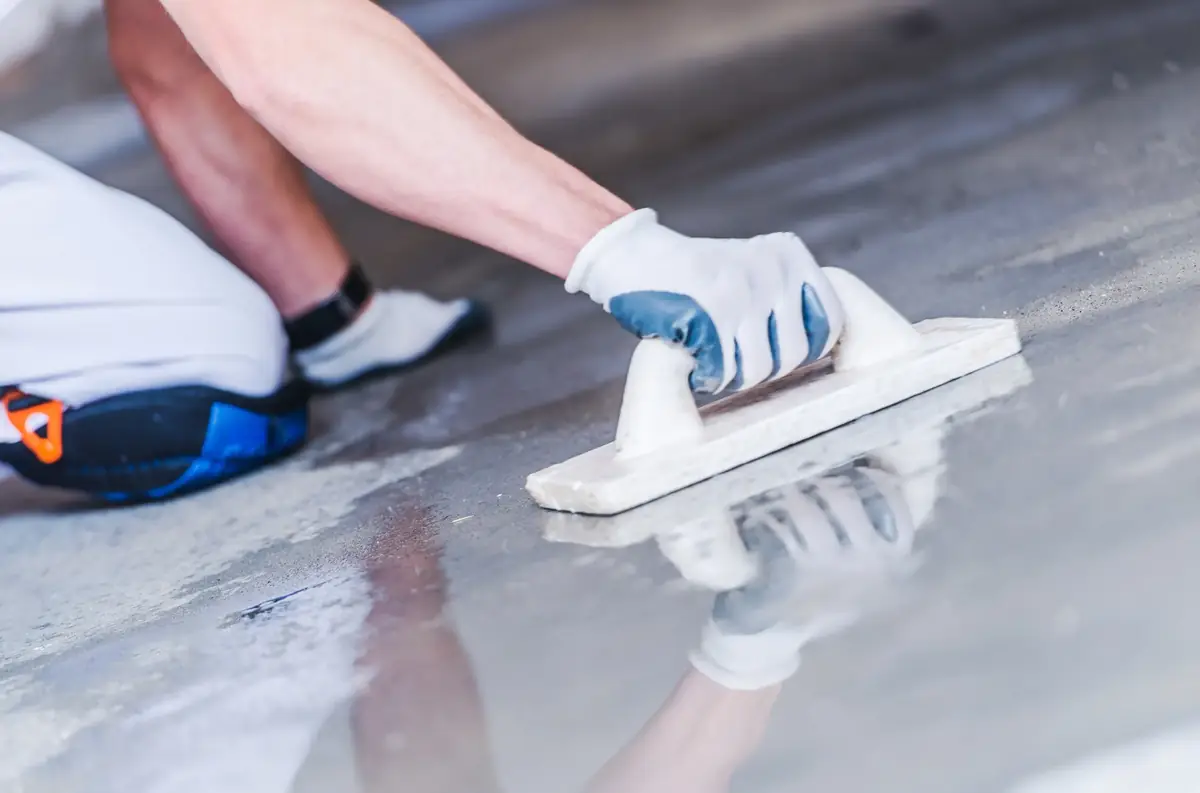
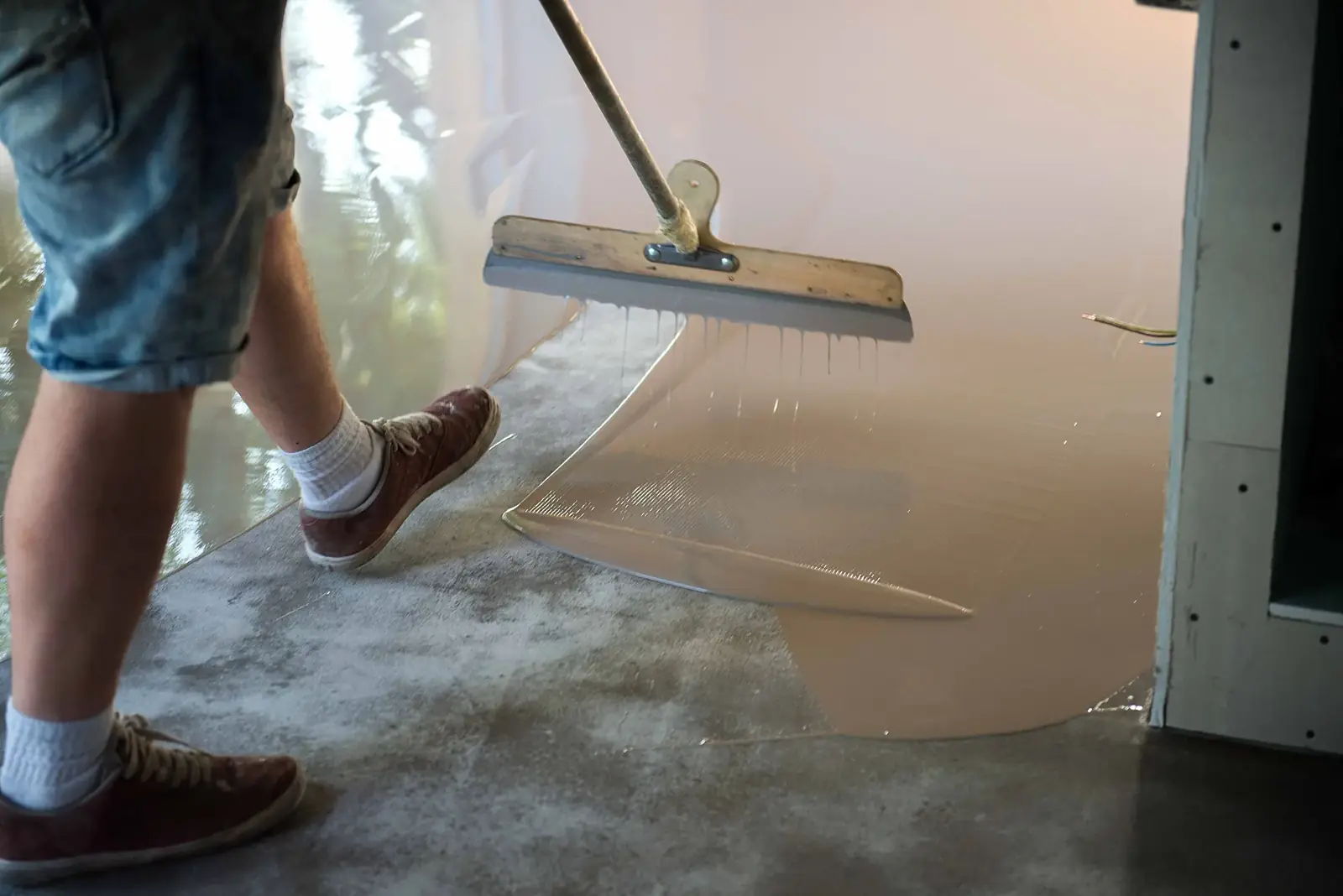
Mechanical grinding or blasting, contaminant removal, and crack and joint repairs.
Chemistry, thickness, texture and finish are matched to your traffic, exposures and schedule.
Primer, body coats, any broadcast media or markings, and topcoat are applied to specification.
The floor cures per product data, then a final walkthrough and care guidance at handover.
Flooring gallery
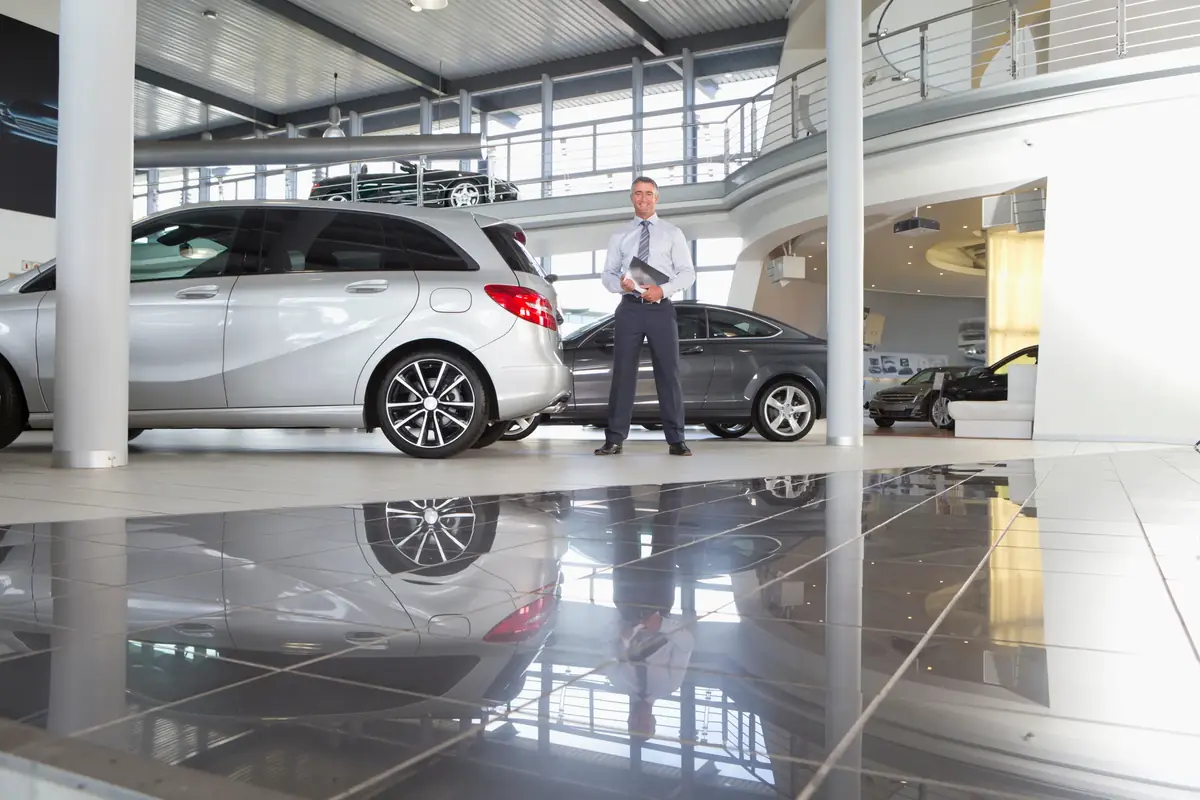
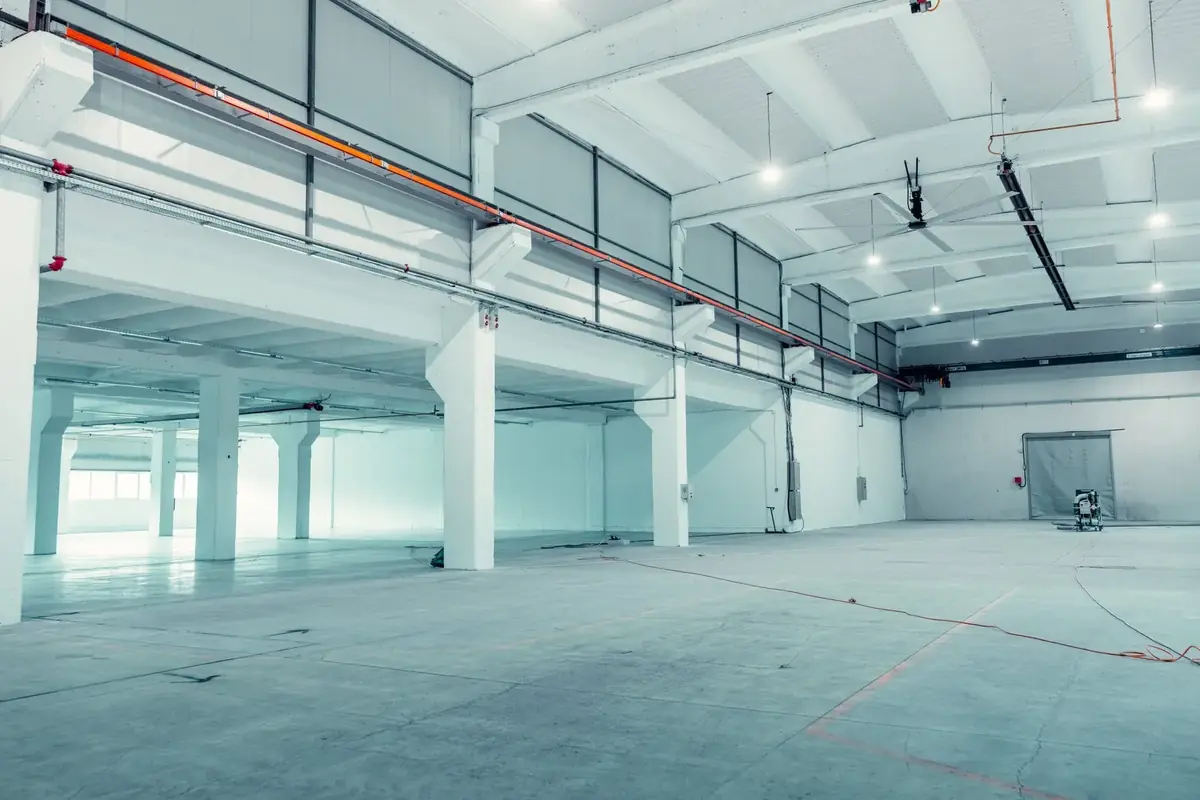
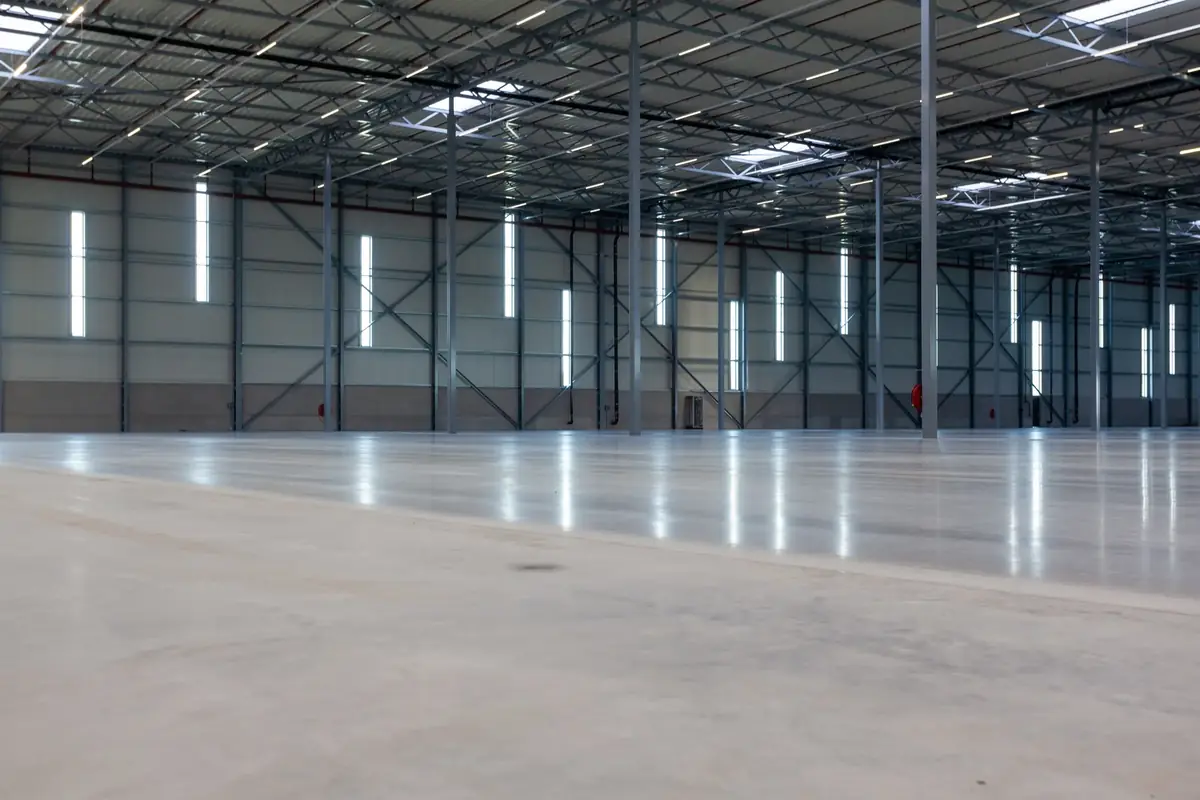
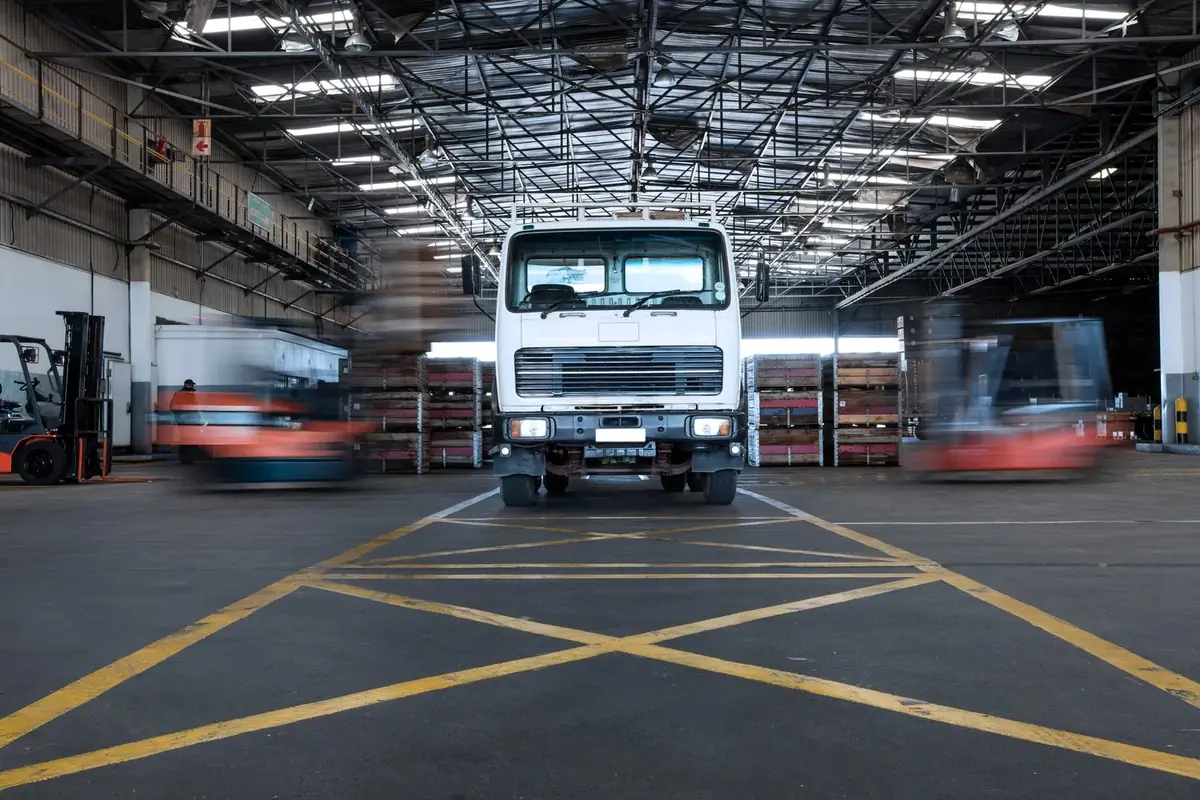
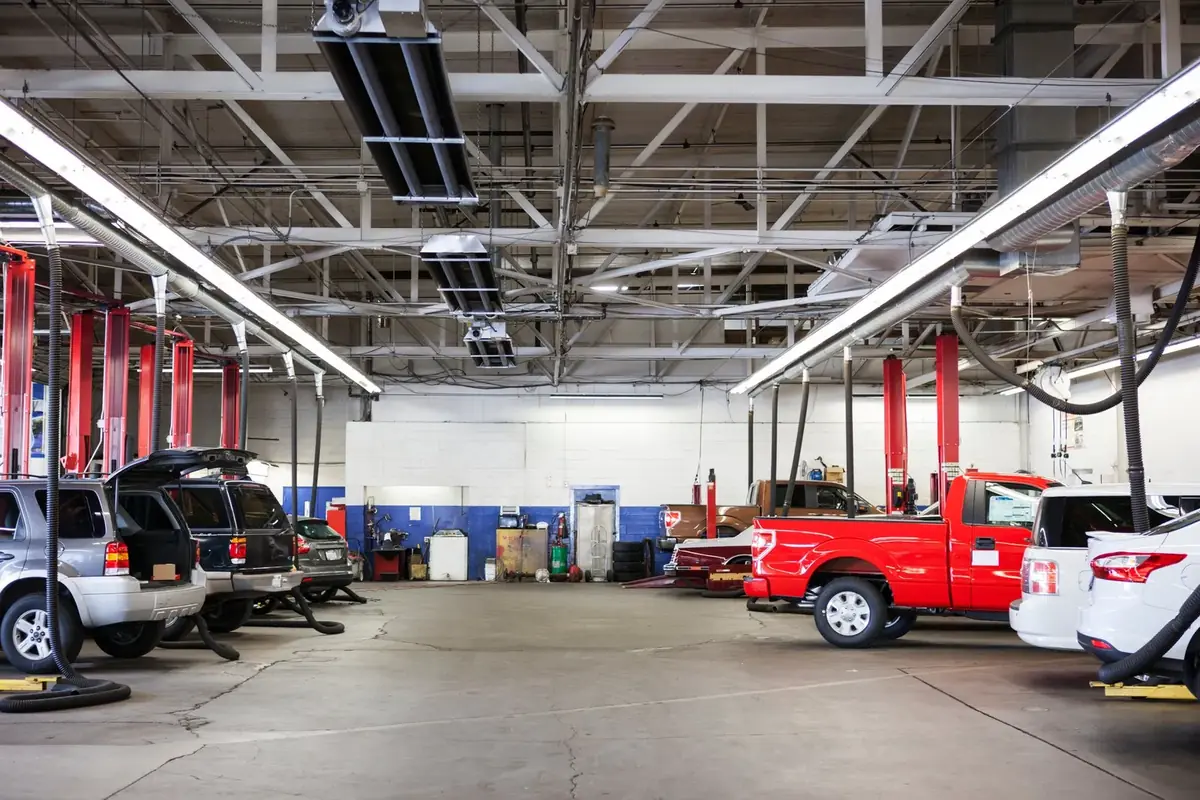
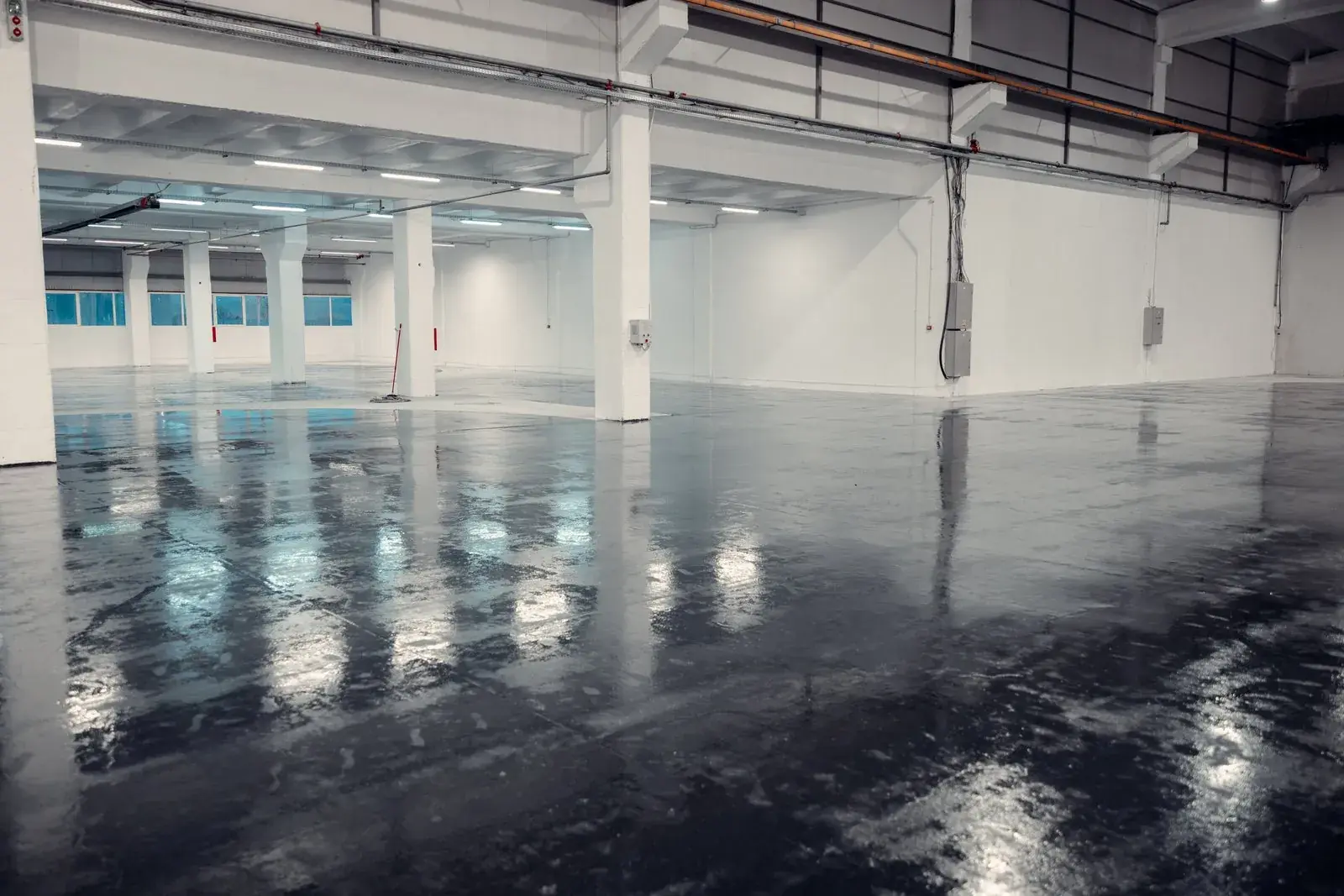
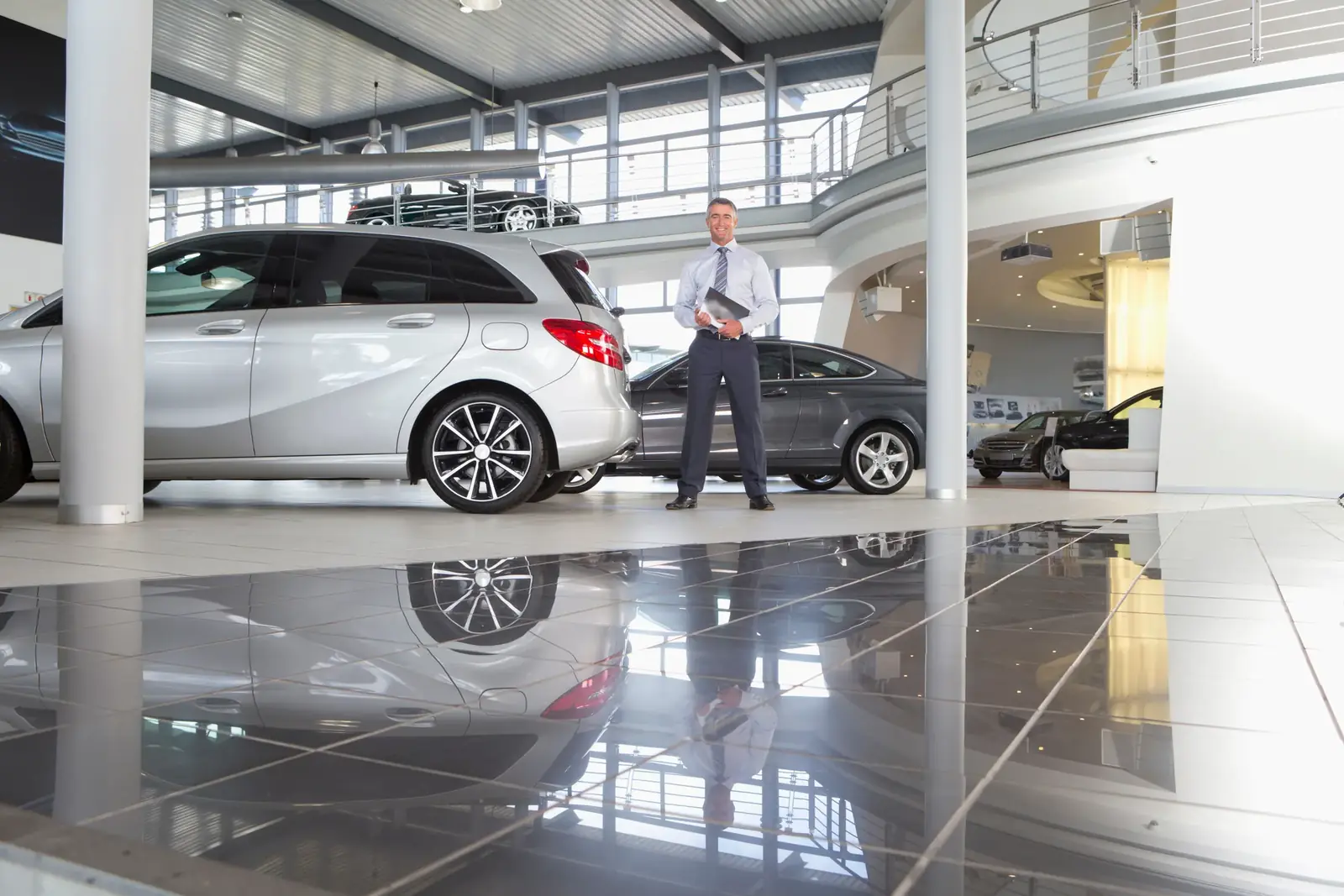
Examples of commercial floor types and finishes. These are licensed stock photographs used for illustration, not completed company projects. Project photography will be added as it becomes available.
Before & after
Drag the handle, or use the arrow keys, to compare an uncoated slab with a coated finish.
Real project comparisons will appear here once available. Until then, this illustrative example uses stock photography to show the general difference a coating system makes.
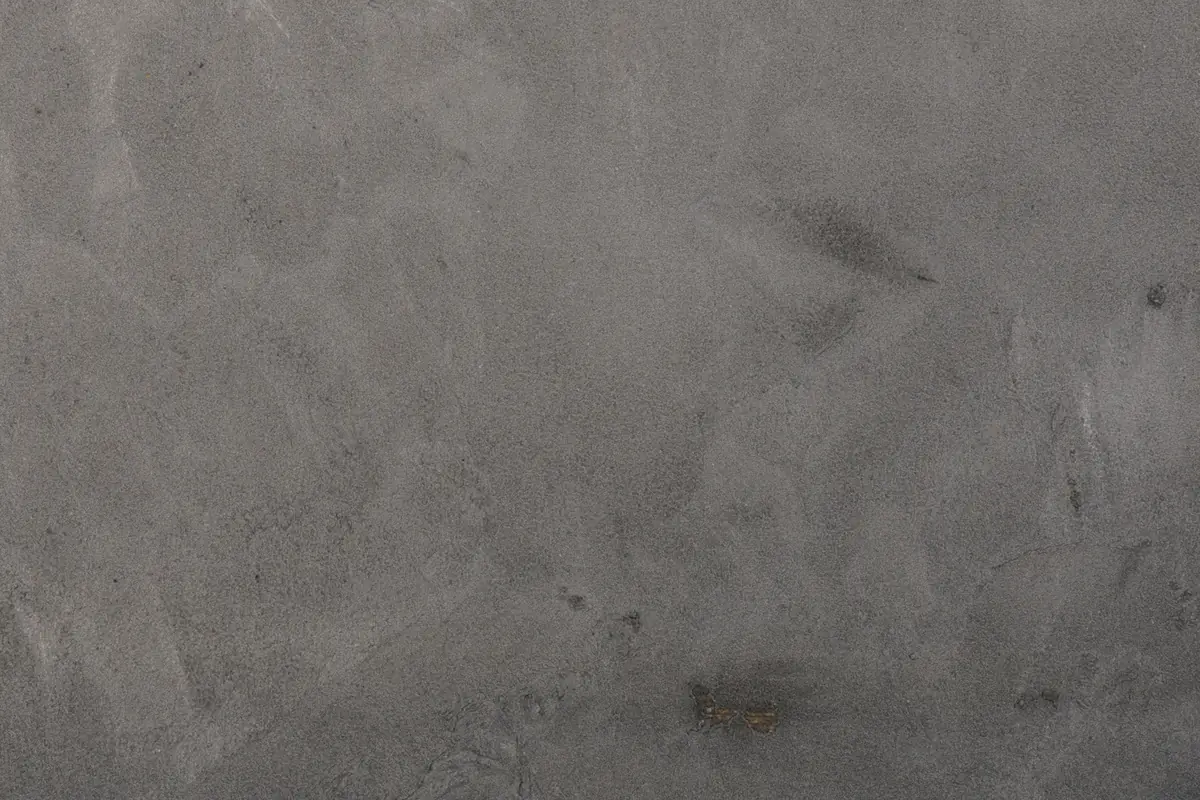
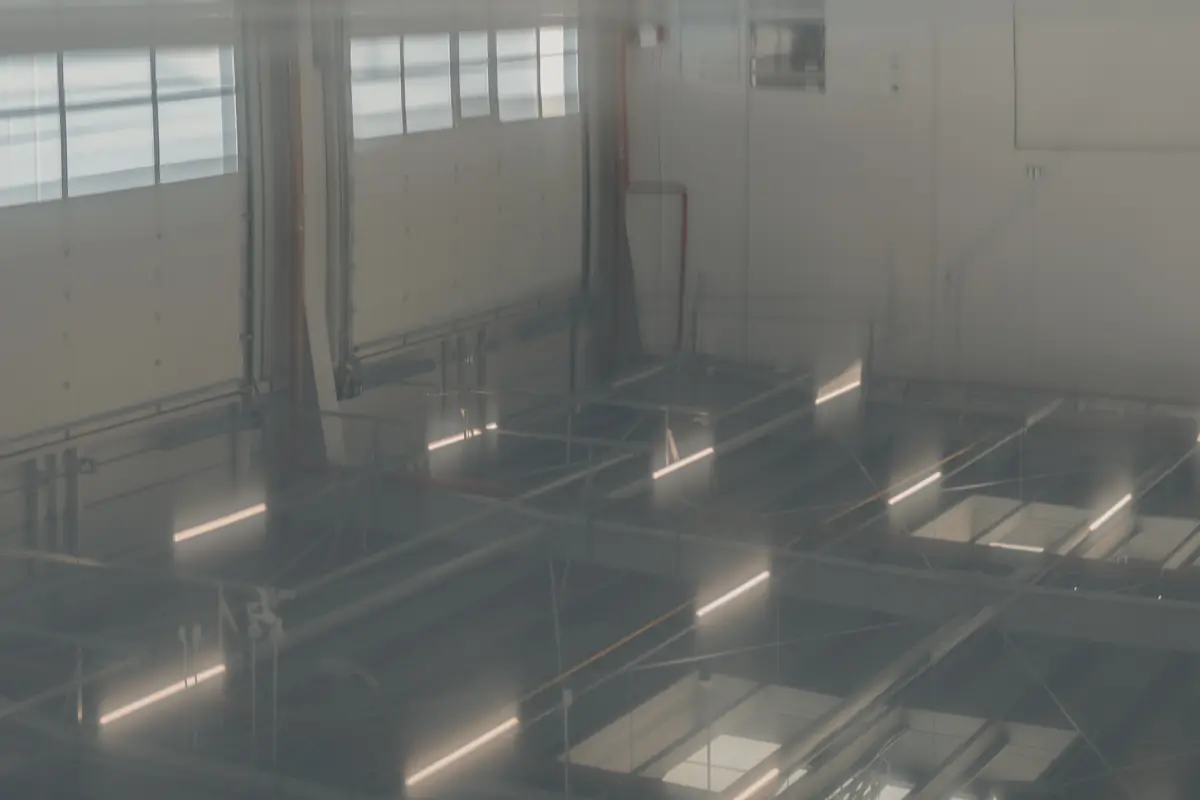 Before After
Why professional floor coatings
A commercial floor is an investment in your facility. These are the questions worth asking any flooring contractor, including us.
Ask how the slab will be prepared and why. Grinding or blasting to a suitable profile is the foundation of a durable bond.
A good proposal explains why a chemistry and thickness suit your traffic, chemicals, cleaning and sunlight, not just the color.
Slabs on grade can transmit vapor. Testing where appropriate helps avoid blistering and debonding later.
Cure times depend on product and temperature. Clear return-to-service timing protects your operations.
Performance should be discussed against manufacturer technical data for the specific products, not broad promises.
Knowing how to clean and care for the finish keeps it performing and looking right for longer.
Phoenix service area
Phoenix is our primary service area. Desert conditions shape how floors are planned and installed here:
FAQ
Don’t see your question? Include it with your estimate request.
The focus is commercial and industrial facilities: warehouses, manufacturing and industrial sites, retail, restaurants and commercial kitchens, showrooms and other business properties in Phoenix.
Cost depends on square footage, slab condition, how much preparation and repair is needed, the system and finish selected, and scheduling requirements such as phasing or after-hours work. An estimate is provided after reviewing your project details and, typically, the floor itself.
Return-to-service timing depends on the products used and site temperature. Foot traffic usually returns before forklifts or vehicles. Your schedule is set from the product data before work begins.
Many commercial projects are phased by area, or scheduled for nights, weekends or planned shutdowns. The right approach depends on your operations and the cure times involved.
Yes. Heat shortens working time and speeds cure, and slab temperatures in unconditioned buildings can be high. Summer installs are often scheduled for cooler hours or with HVAC running so products stay within their recommended application range.
Smooth, glossy coatings can be slippery when wet. Aggregate can be broadcast into the system to add texture where traction matters. No floor is slip-proof, so texture works alongside good housekeeping and matting.
Commercial estimates
Share your facility type, square footage and timeline. We’ll review the details and follow up to discuss an assessment and estimate.
Request a Commercial Estimate